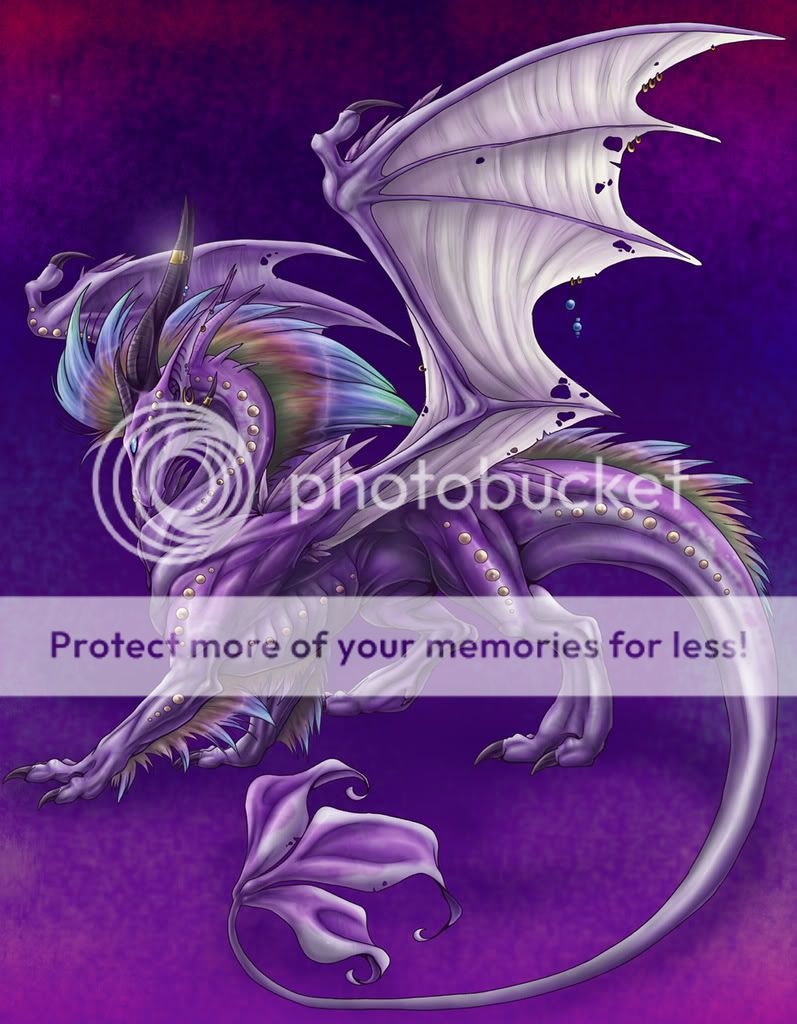
 For the record, I love dragons. I love the idea of something so large, beautiful, and powerful flying through the sky and hunting its prey. Ever since I was a little girl, I have been fascinated with the mythical stories and fantasy fiction of dragons. When Christopher Paolini released Eragon, I was so happy to have a new series devoted completely to dragon lore. To say I devoured the books would be an understatement. Waiting between installments for the release of the next in the series was borderline torturous.
I bring up the subject of dragons, because there are those who feel that all dragons are representations of evil characters, or that they are among the monsters of fantastical mythology, and I want to set the record straight. Also, considering the quote that I have placed on my Facebook page as the cover photo, I feel that I need to explain what that actually means to me and why I chose a quote that appears to say I want to kill dragons. For those of you who have not visited the FB page, the quote is this: "Fairy tales are more than true; not because they tell us dragons exist, but because they tell us that dragons can be beaten."
Discussing dragons can be somewhat controversial in certain circles; however, I feel that you can't assume that those who are "into" dragons are automatically included in some sort of gothic circle. There are those, like myself, who love dragons in the same way that I love unicorns; primarily as a magical other-worldly creature spawned from something in the past that led people to tell tales and create legends of times and places we can only see in our wildest imagination or deepest dreams.
As I said, not all dragons are evil. They are creatures that can be either good or evil. Take, for example, the dragons in The Inheritance Cycle. The nature of the dragon depended on the character of the rider he was bound to. In these stories, the dragons and humans are extensions of each other. They end up, just as men always have, fighting each other in a gripping battle of good and evil. In most fantasy stories involving dragons, they are bound somehow to a human companion or they are a type of extension of a person. Consider Maleficent: the beautiful creepy evil witch villain from Disney's Sleeping Beauty. She allows herself to transform into a fearsome dragon in order to try to prevent Prince Phillip from breaking her spell and rescuing the princess, but the dragon is only evil because Maleficent is evil.
 Often, Satan in the garden is represented as a dragon. There is even a popular Christian children's book called The Dragon and the Garden in which the "serpent" is portrayed and illustrated as a dragon. So, we have good and we have evil in all things from the beginning of time.
When I chose Chesterton's quote, it wasn't to say I think all dragons need to be defeated. Using a dragon as a metaphorical powerful enemy makes perfect sense, though. Look at what dragons are capable of compared to humans! How terrifying would it be to have a dragon that was with the enemy forces and you were faced with the task of defending yourself and defeating the enemy to achieve a good end? Knowing that we can defeat a powerful enemy is the key to winning any war. What Chesterton is referring to is the dragon of evil, of tyranny, of heresy, of modernism in society. I chose the quote, because we are at war every day with powerful enemies, and it is important to know that not only do powerful creatures exist, but that they can be beaten.

No comments:
Post a Comment